About Light in the Dark Analytics
Trust the process, not a promise about a person.
We make operating problems inspectable, choose the smallest useful intervention, and stage the rollout so the client keeps control.
Built in Northeast Pennsylvania for operators who need the system to work.
Paul Ascenzi founded Light in the Dark Analytics in 2024 after more than a decade building production software. The company is based in Northeast Pennsylvania.
The practical lesson from that work is simple: reliability comes from explicit ownership, testable behavior, and a rollout people can adopt. The same standard applies whether the system serves a large enterprise or an 18-person machine shop.
Faith is visible here through behavior: tell the truth about fit, do not sell work that cannot justify itself, and leave the client with more control than they had at the start.
Five stages a buyer can inspect.
Each stage produces evidence for the next decision. A personality claim is not one of the deliverables.
- 1
Diagnose the constraint
Map the current workflow, define who owns each handoff, and establish a baseline for the delay, rework, capacity, or visibility problem.
- 2
Choose the smallest useful intervention
Compare a process change, an existing tool, an integration, automation, and custom software. The 70-20-10 method keeps proven core work ahead of experiments.
- 3
Build deterministic-first
Use normal rules and validation where correct behavior can be defined. Add AI only where it earns its place, with a human decision point when the risk requires one.
- 4
Stage adoption
Roll out a manageable change, watch real use, resolve friction, and expand only after the people doing the work can run the new process.
- 5
Handoff control
Document ownership, system boundaries, acceptance criteria, support channels, response targets, and the next review point in the engagement artifacts.
We show up in person.
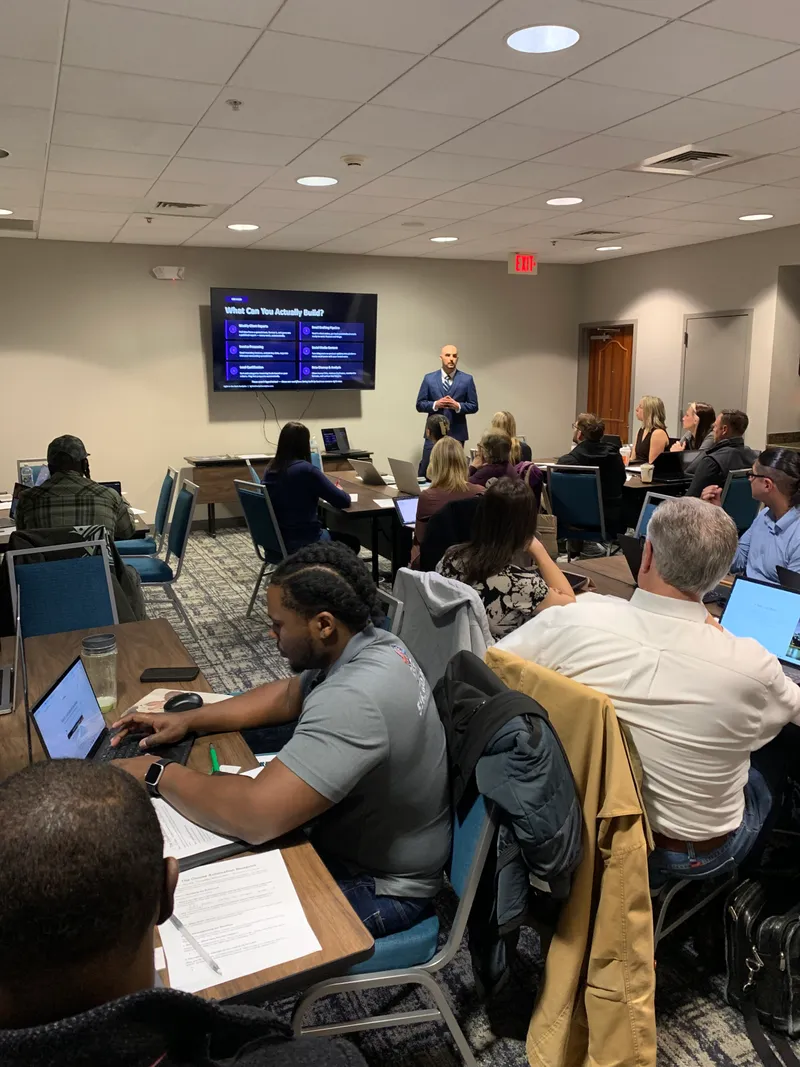
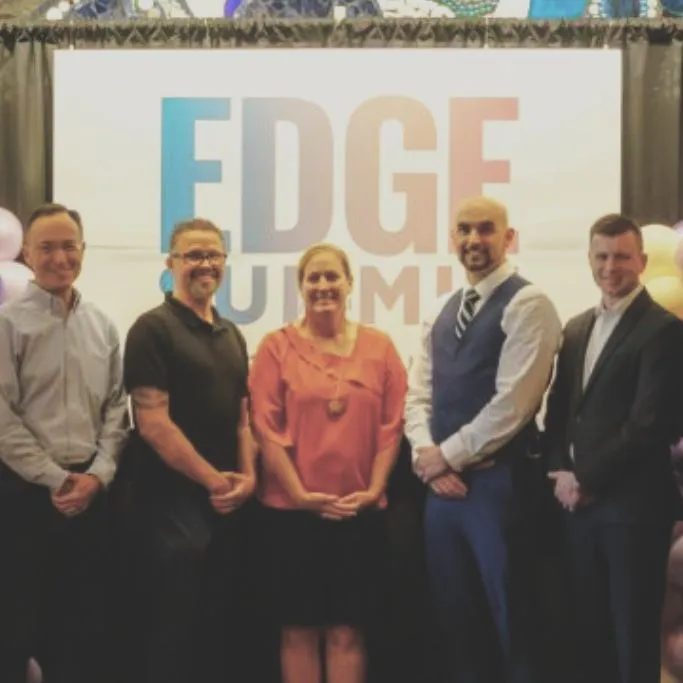
Real AI for Business, a free event for NEPA business owners and entrepreneurs. Wilkes-Barre, March 2026.
Judge the process by what clients say after using it.
“Before Light in the Dark Analytics, the entire business ran on four whiteboards and whatever was in the previous owner's head. Bringing them in was the best decision we made in the whole hold.”
“Having a team that's this customer-centric is very rare. Working with Light in the Dark Analytics is the reason VetMyRoof exists today.”
Frequently asked questions
Who is behind Light in the Dark Analytics?+
Paul Ascenzi founded the company after more than a decade building production software. He leads engagement design and brings in named specialists for design, data engineering, or integrations when the scope requires them. Ownership and communication paths are documented for each engagement.
How can we evaluate the process before we trust the team?+
Ask to see the current-state map, the constraint and baseline, the alternatives considered, the acceptance criteria, the staged rollout, and the handoff plan. Those artifacts make the work inspectable without relying on a personality claim.
What does deterministic-first engineering mean?+
Use normal rules, validation, and software where the correct behavior can be defined. Add AI only where judgment or unstructured information makes it useful. The result should fail predictably, be testable, and keep a human decision point where the risk requires one.
What happens after launch?+
The handoff identifies system ownership, documentation, support channels, response targets, and the next review point. Those commitments belong in the engagement agreement, so the client can evaluate them before signing.
Do you only work with businesses in NEPA?+
No. The company is based in Northeast Pennsylvania and works in person locally, but the process also works remotely. Lamb's Machine Works, the flagship manufacturing case study, is in Memphis, Tennessee.
Bring one workflow that keeps pulling the owner back in.
30 minutes. No pitch. We will trace it, name the likely constraint, and tell you whether there is a useful next step.